
Food allergies in dogs can be a challenging issue for pet owners. Understanding and managing these allergies, such as choosing a diet like Blue Buffalo Basics Skin & Stomach Care, is crucial for ensuring your dog's well-being and comfort.
In this comprehensive guide, we will explore various home remedies and strategies to manage food allergies in dogs and discuss the role of "Best Dog Food for Allergies."
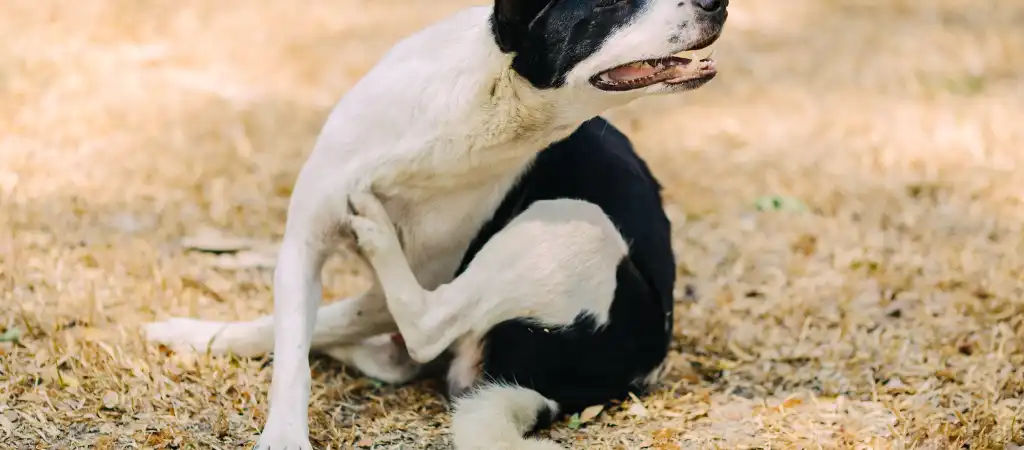
What Are Food Allergies in Dogs?
Food allergies occur when a dog's immune system mistakenly identifies a specific ingredient as harmful, triggering an allergic reaction. These reactions can cause a variety of symptoms, including skin irritation, gastrointestinal upset, and chronic ear infections.
Symptoms of Food Allergies in Dogs
- Itchy skin
- Excessive grooming
- Red, inflamed skin
- Chronic ear infections
- Vomiting
- Diarrhea
Identifying the Allergen
The first step in managing food allergies is to identify the allergen responsible for the reactions. This typically involves an elimination diet, where you feed your dog a simplified diet of foods they have never eaten before. Over weeks, you gradually introduce other foods back into their diet to see which ones cause a reaction.
Conducting an Elimination Diet:
- Choose a Novel Protein and Carbohydrate: Begin with a diet consisting of one protein and one carbohydrate that your dog has not previously consumed.
- Strict Diet Adherence: Avoid giving any treats, supplements, or flavored medications that are not part of the elimination diet.
- Slowly Introduce New Foods: After a period (usually 6-8 weeks) of no allergic symptoms, gradually introduce new ingredients one at a time.
Home Remedies for Managing Food Allergies
1. Balanced Homemade Meals
Preparing homemade meals for your dog allows you to control exactly what ingredients are included, minimizing the risk of exposure to allergens.
How to Prepare a Balanced Meal:
- Consult a Veterinarian: Work with a vet to ensure the homemade diet meets your dog’s nutritional needs.
- Use Hypoallergenic Ingredients: Incorporate ingredients that are less likely to cause allergies in dogs, such as salmon, duck, and sweet potatoes.
2. Natural Supplements
Certain supplements can help alleviate allergy symptoms in dogs. These include:
- Omega-3 Fatty Acids: Found in fish oil, these can reduce inflammation and improve skin health.
- Probiotics: Can help maintain healthy gut flora, potentially improving digestion and immune function.
3. Regular Bathing and Grooming
Regular bathing can help relieve itching and remove allergens from your dog’s skin and fur.
Recommended Practices:
- Use Hypoallergenic Shampoo: Choose a gentle, hypoallergenic shampoo designed for dogs with sensitive skin.
- Maintain a Grooming Schedule: Regular grooming helps keep your dog’s coat free of allergens.
Best Dog Food for Allergies
When home remedies aren’t enough, choosing the best dog food for allergies is critical. These foods are specifically formulated to contain hypoallergenic ingredients and avoid common allergens such as chicken, beef, dairy, and wheat.
Features of the Best Dog Food for Allergies:
- Limited Ingredients: Fewer ingredients mean fewer chances of triggering an allergic reaction.
- Novel Protein Sources: These foods often contain proteins that your dog has not been exposed to, such as kangaroo or venison.
- Grain-Free Options: Many allergy-friendly dog foods eliminate grains, which are common allergens for some dogs.
Recommended Brands:
- Hydrolyzed Protein Diets: These foods contain proteins that are broken down into small segments, significantly reducing the risk of immune system detection.
- Single-Source Protein Diets: These limit the protein source to one not commonly found in the dog's previous diet.
Conclusion
Managing food allergies in dogs requires a thoughtful and methodical approach, starting with the identification of allergens and possibly culminating in a switch to the best dog food for allergies. Home remedies such as homemade diets, regular grooming, and the use of natural supplements can play a crucial role in alleviating symptoms and improving quality of life.
Choosing the best dog food for allergies should be done with care, ensuring that the food is not only safe but also nutritionally complete. Consulting with a veterinarian can provide guidance tailored to your dog’s specific needs.
With patience and careful management, most dogs with food allergies can lead happy, healthy lives. Remember, every dog is unique, and what works for one might not work for another. Continual monitoring and adjustment of strategies are key to successfully managing your dog's food allergies.